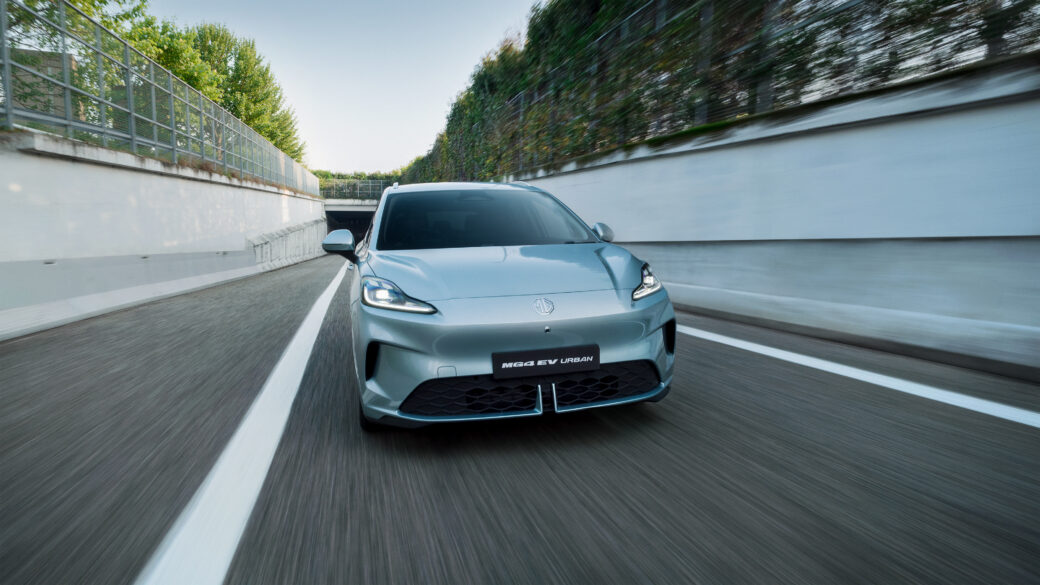
If most of your driving is on motorways, the headline range figure on an EV brochure is only part of the story.
Electric cars are often at their most efficient at lower, steadier speeds. Push more air out of the way at motorway speed and energy use rises. That is why a car that easily beats expectations around town can look much less impressive on a long 70 mph run.
Air resistance is the big one
The faster a car travels, the harder it has to push through the air. The relationship is not linear: adding speed can increase the power needed by much more than people expect.
That affects every type of car, but an EV makes the difference very visible because the dashboard shows energy use and remaining range so clearly.
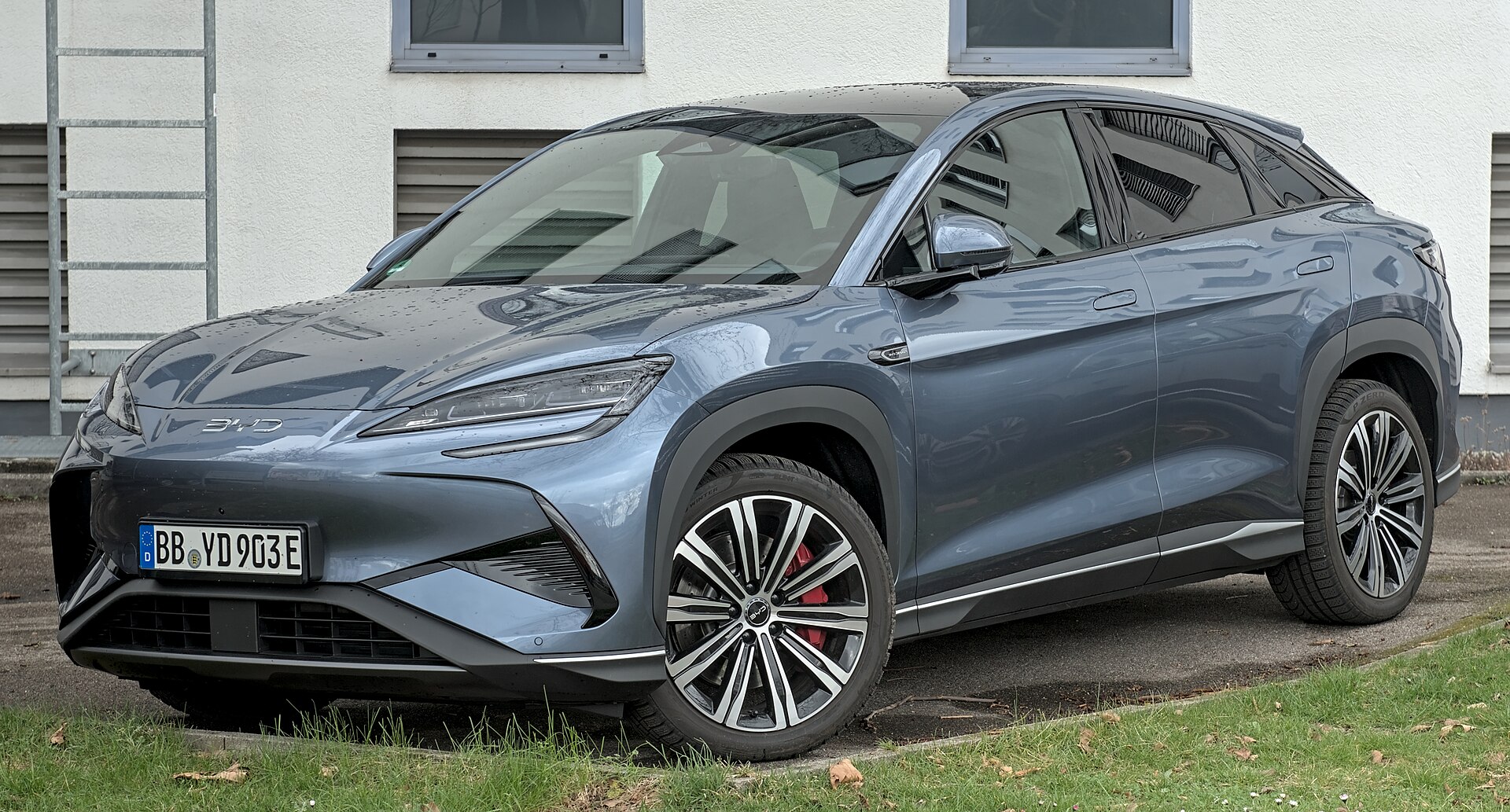
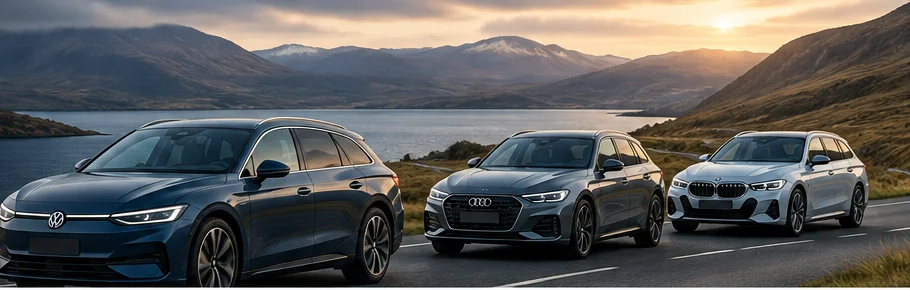
Body shape matters too. A low, slippery saloon can perform very differently from a large upright SUV even if the two cars have similar battery capacities.
A bigger battery does not automatically mean better motorway efficiency
Battery size tells you how much energy the car can store. It does not tell you how efficiently the car uses that energy.
A heavier vehicle with a huge battery may travel further overall, but another car can achieve a similar motorway range with a smaller battery because it uses fewer kWh per mile.
When comparing cars for long-distance use, look at both usable battery capacity and real motorway range.
Weather can make the motorway gap bigger
A cold, wet and windy motorway journey is close to a worst-case everyday scenario for many EVs.
You have sustained higher speed, extra rolling resistance from wet roads, cabin heating and potentially a headwind. The same car on a calm mild day can do noticeably better.
That is why one “real-world range” figure is not enough on its own.
Should you drive below 70 mph to save range?
If you are trying to stretch a charge, reducing speed can make a useful difference. The exact saving varies by vehicle and conditions, so there is no universal mileage figure to quote.
On a long trip, though, the fastest overall strategy is not always simply to drive as slowly as possible. Modern rapid-charging EVs can make it quicker to drive normally and add a short charging stop rather than spend the whole journey nursing the battery.
Why MyEVRange asks about driving type
When somebody submits a journey, they can optionally mark it as Town, Mixed or Motorway.
Once there are enough reports, those journeys are shown separately on the car page.
That should make the database much more useful for buyers. If you spend most of your time on the M5, a model's motorway figure matters more to you than an overall average built from school runs and urban commuting.
The figure we would check before buying
For regular long-distance driving, look for:
- real motorway range in average conditions;
- cold-weather motorway reports;
- rapid-charging speed and charging curve;
- the usable battery size.
A 350-mile WLTP car is not necessarily a 350-mile motorway car. What matters is how the exact model behaves on the roads you actually use.